
Complete Step-by-Step Solar Installation Guide for Your Home
- Luis Vigo

- 16 hours ago
- 4 min read

Switching to solar energy is one of the smartest moves you can make today. It’s good for the environment, it cuts your electricity bills, and it adds value to your home. If you live in Illinois, you’re in a great spot to take advantage of solar power. The state offers solid incentives and plenty of sunshine throughout the year. I’m here to walk you through the entire process with a clear, step-by-step solar installation guide that anyone can follow.
Let’s dive in and explore how you can bring clean, affordable energy to your home.
Step-by-Step Solar Installation Process
Installing solar panels might seem complicated, but breaking it down makes it manageable. Here’s the typical process you’ll go through:
Initial Consultation and Site Assessment
The first step is to get a professional to visit your home. They’ll check your roof’s condition, orientation, and shading. This helps determine how many panels you can install and where they should go for maximum sunlight.
System Design and Proposal
Based on the assessment, the solar company will design a system tailored to your energy needs and roof layout. You’ll get a detailed proposal including costs, expected savings, and timelines.
Permitting and Paperwork
Before installation, you need permits from your local government and approval from your utility company. This step can take a few weeks but is essential for a smooth installation.
Installation Day
On the big day, the crew will install the mounting system, attach the solar panels, and connect the inverter and wiring. Most residential installations take 1-3 days.
Inspection and Interconnection
After installation, your system will be inspected by local authorities. Then, your utility company will connect your system to the grid, allowing you to start generating power.
System Activation and Monitoring
Once everything is approved, your system goes live. You can monitor your energy production through an app or online portal.
This step-by-step solar installation process ensures you get a system that’s safe, efficient, and tailored to your home’s needs.

Understanding the Benefits of Solar Energy in Illinois
Illinois is a fantastic place for solar energy, thanks to its combination of state incentives and decent sunlight. Here’s why solar makes sense here:
Financial Incentives: Illinois offers rebates and tax credits that can significantly reduce your upfront costs. The Illinois Shines program, for example, provides performance-based incentives.
Net Metering: This policy lets you sell excess electricity back to the grid, earning credits on your utility bill.
Energy Independence: Solar panels reduce your reliance on traditional power sources, protecting you from rising energy prices.
Environmental Impact: Solar energy cuts greenhouse gas emissions, helping Illinois meet its clean energy goals.
By installing solar panels, you’re not just saving money—you’re also contributing to a cleaner, healthier environment for your community.
What is the 33% Rule in Solar Panels?
You might have heard about the “33% rule” when it comes to solar panel installation. It’s a handy guideline that helps you size your solar system efficiently.
The rule suggests that your solar system’s capacity should be about 33% of your home’s total electricity consumption. For example, if your home uses 9,000 kWh per year, a system sized to produce around 3,000 kWh annually (about one-third) can cover a significant portion of your energy needs without oversizing.
Why does this matter?
Cost Efficiency: Oversized systems cost more upfront and may not provide proportional savings.
Roof Space: It helps you avoid installing more panels than your roof can handle.
Energy Balance: It aligns your solar production with your actual consumption, maximizing benefits.
Of course, every home is unique, so a professional assessment will fine-tune this estimate for your specific situation.
Choosing the Right Solar Equipment for Your Home
Not all solar panels and inverters are created equal. Picking the right equipment is crucial for long-term performance and savings.
Solar Panels
Look for panels with:
High efficiency: More efficient panels produce more power in less space.
Durability: Panels should withstand Illinois weather, including snow and hail.
Warranty: A 25-year performance warranty is standard and gives peace of mind.
Inverters
The inverter converts the DC electricity from your panels into usable AC power. Options include:
String Inverters: Cost-effective and common for most homes.
Microinverters: Installed on each panel, they optimize performance, especially if shading is an issue.
Power Optimizers: Similar to microinverters but work with a central inverter.
Mounting Systems
Your roof type determines the mounting system. Asphalt shingles are common and easy to work with, but metal or tile roofs may require specialized mounts.
Ask your installer about the best equipment options for your home’s unique needs.

Financing Your Solar Installation: Options and Tips
Solar installation is an investment, but there are many ways to make it affordable:
Cash Purchase: Paying upfront gives you the best return on investment and full access to tax credits.
Solar Loans: Many lenders offer loans specifically for solar, often with low interest rates.
Leases and Power Purchase Agreements (PPAs): You pay a monthly fee but don’t own the system. This option has lower upfront costs but fewer financial benefits.
Incentives and Tax Credits: Don’t forget the federal solar tax credit (ITC), which covers 30% of your system cost, plus Illinois-specific rebates.
Before deciding, run the numbers or consult a solar professional to find the best fit for your budget and goals.
Maintaining Your Solar System for Long-Term Success
Once your system is up and running, maintenance is minimal but important:
Regular Cleaning: Dust, leaves, and snow can reduce efficiency. Clean panels a few times a year or after storms.
Visual Inspections: Check for damage or loose wiring.
Monitoring: Use your system’s app to track performance and spot issues early.
Professional Checkups: Schedule a professional inspection every few years to ensure everything is working perfectly.
Proper maintenance keeps your system producing at peak levels and protects your investment.
Ready to Make the Switch?
Switching to solar is easier than you think. With the right information and support, you can enjoy clean energy, lower bills, and a greener future. If you want a detailed, reliable resource, check out this home solar installation guide to get started.
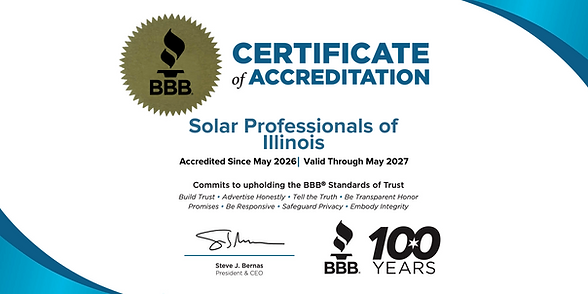
Solar Professionals Of Illinois is here to help you every step of the way. Let’s make solar energy accessible and affordable for every home in Illinois.
Take the first step today and join the clean energy movement!
Thank you for reading this complete step-by-step solar installation guide. I hope it helps you feel confident about going solar.


Comments