
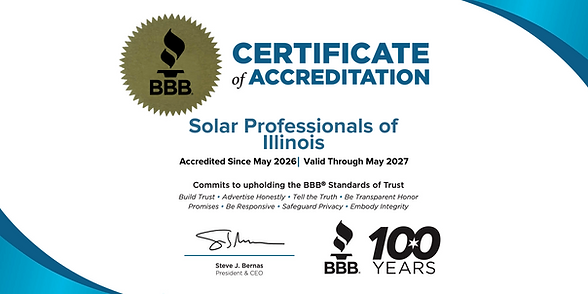
Home Solar Installation: A Complete Solar Installation Guide

Switching to solar energy is one of the smartest moves you can make for your home and the environment. If you’ve been thinking about it, you’re in the right place. I’m here to walk you through everything you need to know about home solar installation. From the basics to the nitty-gritty details, this guide will help you understand the process, benefits, and what to expect along the way.
Solar power is booming in Illinois, and for good reason. It’s clean, renewable, and can save you a lot on your energy bills. Plus, with the right incentives and professional help, going solar has never been more affordable or accessible. Let’s dive in!
Why Choose Solar? Your Solar Installation Guide
Solar energy is more than just a trend. It’s a powerful way to reduce your carbon footprint and take control of your energy costs. Here’s why solar installation is a great choice:
Lower Energy Bills: Solar panels generate electricity from sunlight, which means you use less from the grid. Over time, this can lead to significant savings.
Increase Home Value: Homes with solar panels often sell faster and at higher prices.
Energy Independence: You’re less affected by rising energy prices and power outages.
Environmental Impact: Solar power reduces greenhouse gas emissions and reliance on fossil fuels.
In Illinois, there are also state and federal incentives that make solar installation even more attractive. These include tax credits, rebates, and net metering programs that allow you to sell excess energy back to the grid.
If you want to get started, I recommend checking out a detailed home solar installation guide that covers local incentives and step-by-step instructions tailored for Illinois homeowners.

How Does Home Solar Installation Work?
Understanding the installation process helps you feel confident and prepared. Here’s a simple breakdown of what happens when you decide to install solar panels:
Site Assessment
A solar professional visits your home to evaluate your roof’s condition, orientation, and shading. This helps determine the best system size and placement.
System Design
Based on the assessment, a custom solar system is designed to meet your energy needs and maximize efficiency.
Permitting and Paperwork
Your installer handles permits and applications for incentives. This step ensures your system complies with local regulations.
Installation
The solar panels, inverter, and other equipment are installed on your roof or property. This usually takes a few days.
Inspection and Interconnection
After installation, a local inspector checks the system. Then, your utility company connects your system to the grid.
Activation
Once approved, your solar system is turned on, and you start generating clean energy!
Throughout this process, communication with your installer is key. Ask questions, review contracts carefully, and make sure you understand warranties and maintenance requirements.

What is the 120% Rule for Solar Installation?
If you’re diving into solar, you might hear about the "120% rule." This guideline is important for sizing your solar system correctly, especially in Illinois.
The 120% rule means your solar system’s capacity should not exceed 120% of your average annual electricity consumption. Why? Because utilities want to prevent oversized systems that produce more energy than you realistically use. Oversized systems can cause issues with grid management and may not qualify for certain incentives.
Here’s how it works in practice:
Calculate your average yearly electricity use (in kilowatt-hours).
Multiply that number by 1.2 (120%).
Your solar system’s size (in kilowatts) should not produce more than this amount annually.
Following this rule helps you maximize your investment and ensures compliance with local utility policies. Your solar installer will help you with these calculations and design a system that fits your needs perfectly.
Financing Your Solar Installation: Options and Tips
One of the biggest questions I get is, “How do I pay for solar?” The good news is, there are several financing options to make solar affordable:
Cash Purchase
Paying upfront gives you the best return on investment and full ownership of your system.
Solar Loans
Loans let you spread the cost over time, often with low-interest rates. You still own the system and benefit from incentives.
Leases and Power Purchase Agreements (PPAs)
These options let you go solar with little or no upfront cost. A company owns the system, and you pay a monthly fee or for the power generated.
Incentives and Rebates
Don’t forget to apply for federal tax credits (like the Investment Tax Credit), state rebates, and local incentives. These can cover a significant portion of your costs.
Before choosing a financing method, consider your budget, long-term plans, and whether you want to own the system. A trusted solar professional can help you navigate these choices and find the best fit.
Maintenance and Longevity of Your Solar System
Solar panels are built to last, but like any investment, they need some care to perform their best. Here’s what you should know about maintenance:
Durability
Most solar panels come with warranties of 25 years or more. They are designed to withstand weather, including snow and hail.
Cleaning
Panels need to be clean to work efficiently. In Illinois, rain usually does a good job, but occasional cleaning might be necessary, especially if you have dust or debris buildup.
Monitoring
Many systems come with monitoring apps that let you track energy production in real-time. This helps spot any issues early.
Professional Checkups
It’s a good idea to have a professional inspection every few years to ensure everything is working well.
By keeping your system in good shape, you’ll enjoy reliable energy savings for decades.
Taking the Next Step Toward Solar Energy
Switching to solar is a big decision, but it’s one that pays off in many ways. With the right information and support, you can make the process smooth and rewarding. Remember, a solid home solar installation guide is your best friend for navigating local rules, incentives, and installation steps.
If you’re ready to start, reach out to a trusted solar professional in Illinois. They’ll help you design a system that fits your home, budget, and energy goals. Together, we can make clean, affordable energy a reality for every homeowner.
Solar power is not just the future - it’s the smart choice today. Let’s get started!


Comments