
Your Guide to Solar Installation Steps Home

Updated: Sep 8
Switching to solar energy is one of the smartest moves you can make for your home and the environment. If you live in Illinois, you’re in a great spot to take advantage of solar power. The state offers plenty of incentives, and the sun shines enough to make solar panels a solid investment. I’m here to walk you through the entire process, from the first step to flipping the switch on your new solar system.
Let’s dive into the solar installation steps home and make this journey simple and exciting.
Understanding Solar Installation Steps Home
Before you start, it’s important to know what to expect. Solar installation isn’t just about slapping panels on your roof. It’s a carefully planned process that involves several key steps:
Initial Consultation and Site Assessment
A solar expert visits your home to evaluate your roof’s condition, orientation, and shading. This helps determine how many panels you’ll need and where to place them for maximum efficiency.
System Design and Proposal
Based on the assessment, you’ll get a custom design and a detailed quote. This includes the size of the system, estimated energy production, and cost breakdown.
Permitting and Paperwork
Your installer handles all the necessary permits and paperwork, including applications for local incentives and utility interconnection.
Installation Day
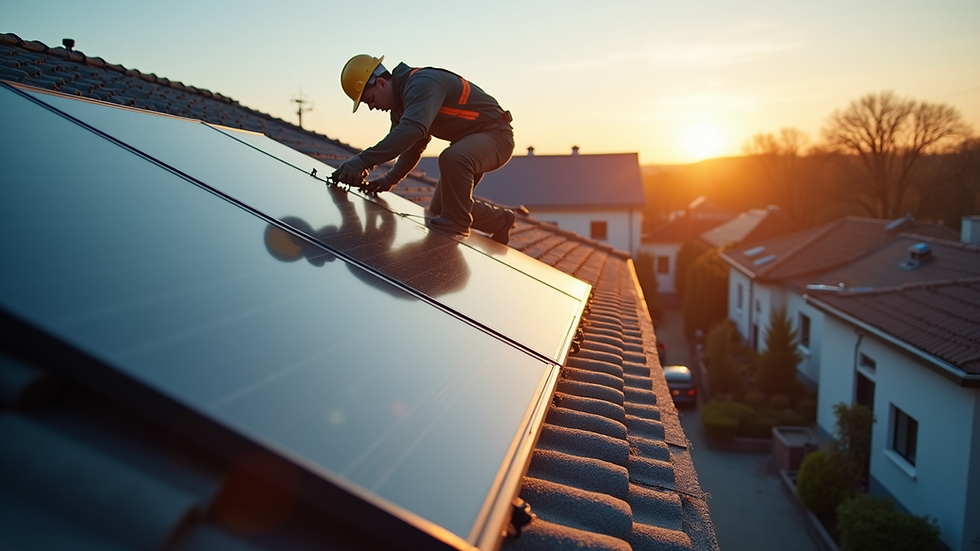
The crew installs the panels, inverter, and wiring. This usually takes one to three days depending on your system size.
Inspection and Interconnection
After installation, a local inspector checks the system for safety and code compliance. Then, your utility company connects your system to the grid.
System Activation and Monitoring
Once connected, your solar system starts producing electricity. You can monitor its performance through an app or online portal.
Each step is crucial to ensure your solar system works efficiently and safely. Knowing this roadmap helps you stay informed and confident throughout the process.
How to Prepare for Solar Installation at Home
Preparation is key to a smooth solar installation. Here’s what you can do to get ready:
Check Your Roof’s Condition
Make sure your roof is in good shape. If it needs repairs or replacement, it’s best to handle that before installing solar panels.
Gather Your Energy Bills
Your installer will want to see your past energy usage to design the right system size.
Research Incentives and Rebates
Illinois offers various incentives like the Illinois Shines program and federal tax credits. Knowing what’s available can save you money.
Clear the Installation Area
Trim any trees or branches that might shade your panels. Also, clear space around your electrical panel for the installer.
Plan for Installation Day
Installation can be noisy and involve some disruption. Arrange your schedule accordingly and inform your neighbors if needed.
Taking these steps will help your solar installation go off without a hitch.
What is the 33% Rule in Solar Panels?
You might have heard about the "33% rule" when it comes to solar panels. This rule is a handy guideline for sizing your solar system. It suggests that your solar array should cover about 33% of your home’s electricity needs to make a noticeable impact on your energy bills.
Why 33%? Because it balances cost and benefit. Installing a system that covers a third of your usage often provides significant savings without the high upfront cost of a full system. Plus, it leaves room for future expansion if you want to add more panels later.
For example, if your home uses 900 kWh per month, a system sized to produce around 300 kWh monthly would follow the 33% rule. This approach is especially useful in Illinois, where solar incentives and net metering policies can maximize your return on investment.
Keep in mind, this is a guideline, not a strict rule. Your installer will help you find the perfect system size based on your goals and budget.
Choosing the Right Solar Equipment and Installer
Picking the right equipment and installer is crucial. Here’s what to look for:
Solar Panels
Look for panels with high efficiency and good warranties (usually 25 years). Monocrystalline panels are popular for their performance and sleek look.
Inverters
The inverter converts solar energy into usable electricity. String inverters are common, but microinverters or power optimizers can improve performance if your roof has shading issues.
Installer Credentials
Choose a licensed, insured installer with good reviews and local experience. Ask for references and check if they’re certified by the North American Board of Certified Energy Practitioners (NABCEP).
Warranty and Service
Understand the warranties on both equipment and installation. A solid warranty protects your investment.
Customer Support
Good communication and ongoing support are essential. You want a company that will be there if you have questions or issues.
Taking time to research and ask questions will pay off in the long run.
Navigating Illinois Solar Incentives and Financing Options
One of the best parts about going solar in Illinois is the variety of incentives and financing options available. Here’s a quick overview:
Illinois Shines Program
This state program offers performance-based incentives that pay you for the electricity your system produces.
Federal Solar Investment Tax Credit (ITC)
You can claim 30% of your solar system cost as a tax credit on your federal taxes.
Net Metering
Illinois utilities credit you for excess solar energy you send back to the grid, reducing your electric bill.
Property Tax Exemption
Solar panels are exempt from property tax increases, so your home’s assessed value won’t rise because of your system.
Financing Options
You can buy your system outright, take out a solar loan, or lease the panels. Each has pros and cons depending on your financial situation.
Understanding these incentives and financing choices can make solar more affordable and help you plan your investment wisely.
Monitoring and Maintaining Your Solar System
Once your system is up and running, keeping an eye on it is important. Most modern solar systems come with monitoring apps that show you real-time energy production and usage.
Here are some tips for maintenance:
Keep Panels Clean
Dust, leaves, and snow can reduce efficiency. Cleaning panels a couple of times a year usually does the trick.
Trim Nearby Trees
Prevent shading by keeping trees trimmed.
Check for Damage
After storms, inspect panels for cracks or loose wiring.
Schedule Professional Inspections
A yearly checkup by your installer can catch issues early.
Proper maintenance ensures your system runs smoothly and lasts for decades.
Ready to Make the Switch?
Switching to solar is a fantastic way to save money, increase your home’s value, and reduce your carbon footprint. With this home solar installation guide, you have a clear path to follow.
Remember, the key is to take it step by step. From assessing your roof to choosing the right installer and navigating incentives, each part of the process is manageable with the right information.
If you’re in Illinois, now is a great time to explore solar options. The combination of state incentives and federal tax credits makes solar more affordable than ever.
Take the first step today and enjoy the benefits of clean, renewable energy for years to come!


Comments